Newsroom

News & insights

Show updates, industry trends and exhibitor stories from the WIN-WIN HAIR EXPO.

Incoterms for Wig Imports: How to Compare EXW, FOB, CIF, DAP and DDP Quotes

Incoterms for Wig Imports: How to Compare EXW, FOB, CIF, DAP and DDP Quotes

When sourcing wigs, hair extensions, toupees and other hair products internationally, buyers need to understand more than the unit price. Shipping responsibilities, insurance, customs clearance and the point at which transportation risks transfer can all affect the final landed cost. This guide explains the Incoterms® 2020 rules commonly encountered in wig imports, including EXW, FCA, FOB, CIF, DAP and DDP. It also highlights common quotation mistakes and practical questions buyers should clarify before placing bulk orders.
Global Wig Manufacturing Industry: Major Production Countries and Their Roles in the Supply Chain

Global Wig Manufacturing Industry: Major Production Countries and Their Roles in the Supply Chain

The global wig industry relies on an international supply chain involving raw hair sourcing, synthetic fiber production, wig manufacturing and international distribution. China, Indonesia, Bangladesh and Vietnam are among the important countries in finished wig exports, while India plays a significant role in the human hair raw material supply chain. This article explores the major wig manufacturing regions, their industry characteristics and the factors international buyers should consider when choosing sourcing destinations.

Why Qingdao Matters to International Wig Buyers: Building Stronger Business Relationships with Chinese Manufacturers

Why Qingdao Matters to International Wig Buyers: Building Stronger Business Relationships with Chinese Manufacturers

Qingdao is an important location for China's hair products industry, with manufacturers serving international markets across North America, Europe, Japan and other regions. For overseas wig buyers, the city offers opportunities to connect directly with manufacturers, explore different product categories, evaluate production capabilities and develop long-term business relationships. This article explains why face-to-face communication, factory visits and ongoing cooperation matter when sourcing hair products from Qingdao.

What to Include in a Wig Wholesale Purchase Order: A Buyer's Checklist

What to Include in a Wig Wholesale Purchase Order: A Buyer's Checklist

Placing a wholesale wig order involves more than confirming the product and price. Buyers also need to clarify specifications, quantities, packaging, payment terms, production schedules, inspection requirements, and shipping arrangements. This guide explains what to include in a wig wholesale purchase order and provides a practical checklist to help importers, distributors, and retailers reduce misunderstandings before production

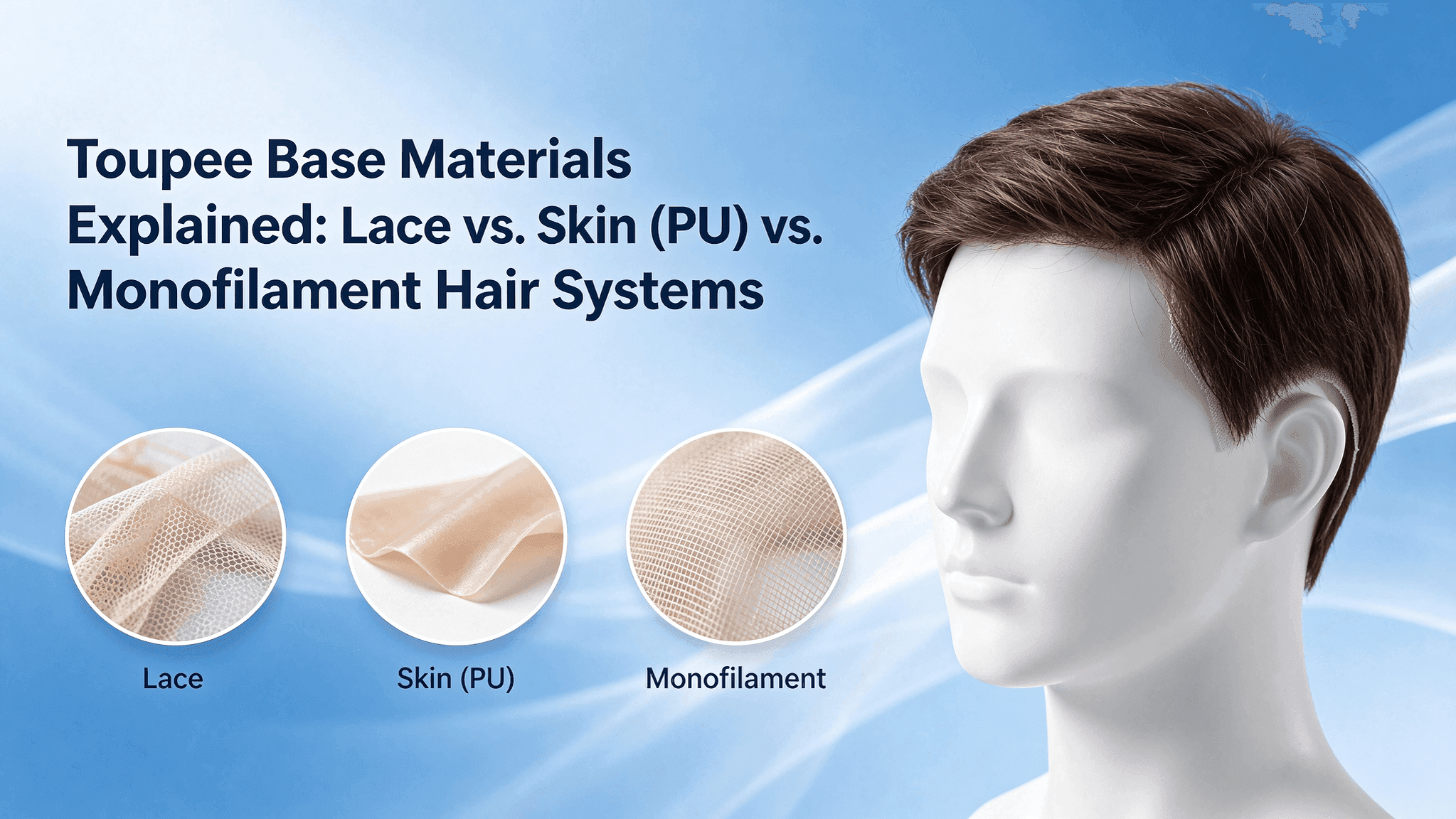
Toupee Base Materials Explained: Lace vs. Skin (PU) vs. Monofilament Hair Systems

Toupee Base Materials Explained: Lace vs. Skin (PU) vs. Monofilament Hair Systems

The base material is one of the most important factors affecting the appearance, comfort, attachment, and maintenance of a men's hair system. Lace, skin (polyurethane), and monofilament are three commonly used base constructions, each offering different characteristics. This guide compares their structures, advantages, limitations, and typical applications, while providing practical inspection and sourcing tips for B2B buyers.

Human Hair Coloring and Bleaching in Wig Manufacturing: Processes, Risks and Quality Checks

Human Hair Coloring and Bleaching in Wig Manufacturing: Processes, Risks and Quality Checks

Coloring and bleaching are important processes in human hair wig and extension manufacturing. They allow manufacturers to create different shades, from natural browns and blacks to lighter blondes and fashion colors. However, chemical processing can also affect the hair's cuticle, cortex, strength, and overall manageability. This guide explains common coloring methods, the difference between dyeing and bleaching, potential processing risks, and practical quality checks for wholesale buyers.

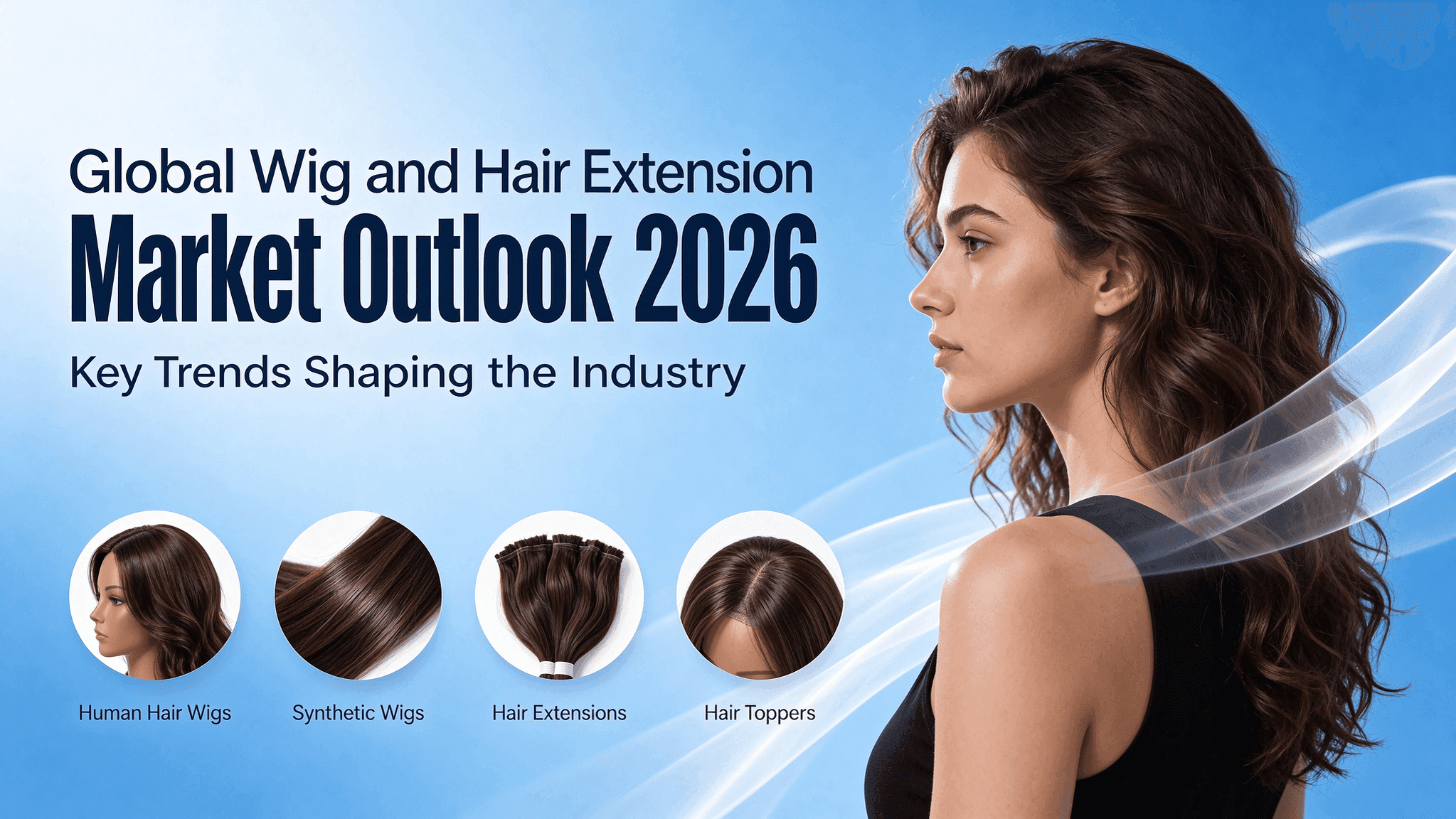
Global Wig and Hair Extension Market Outlook: Key Trends Shaping the Industry in 2026

Global Wig and Hair Extension Market Outlook: Key Trends Shaping the Industry in 2026

The global wig and hair extension industry is evolving as consumer preferences, digital retail channels, and product expectations continue to change. In 2026, market opportunities are increasingly shaped by demand for natural-looking products, convenient application methods, diversified product categories, and more transparent sourcing. This article examines key market trends and explains what wholesalers, importers, retailers, and brands should consider when planning their product strategies and sourcing decisions.

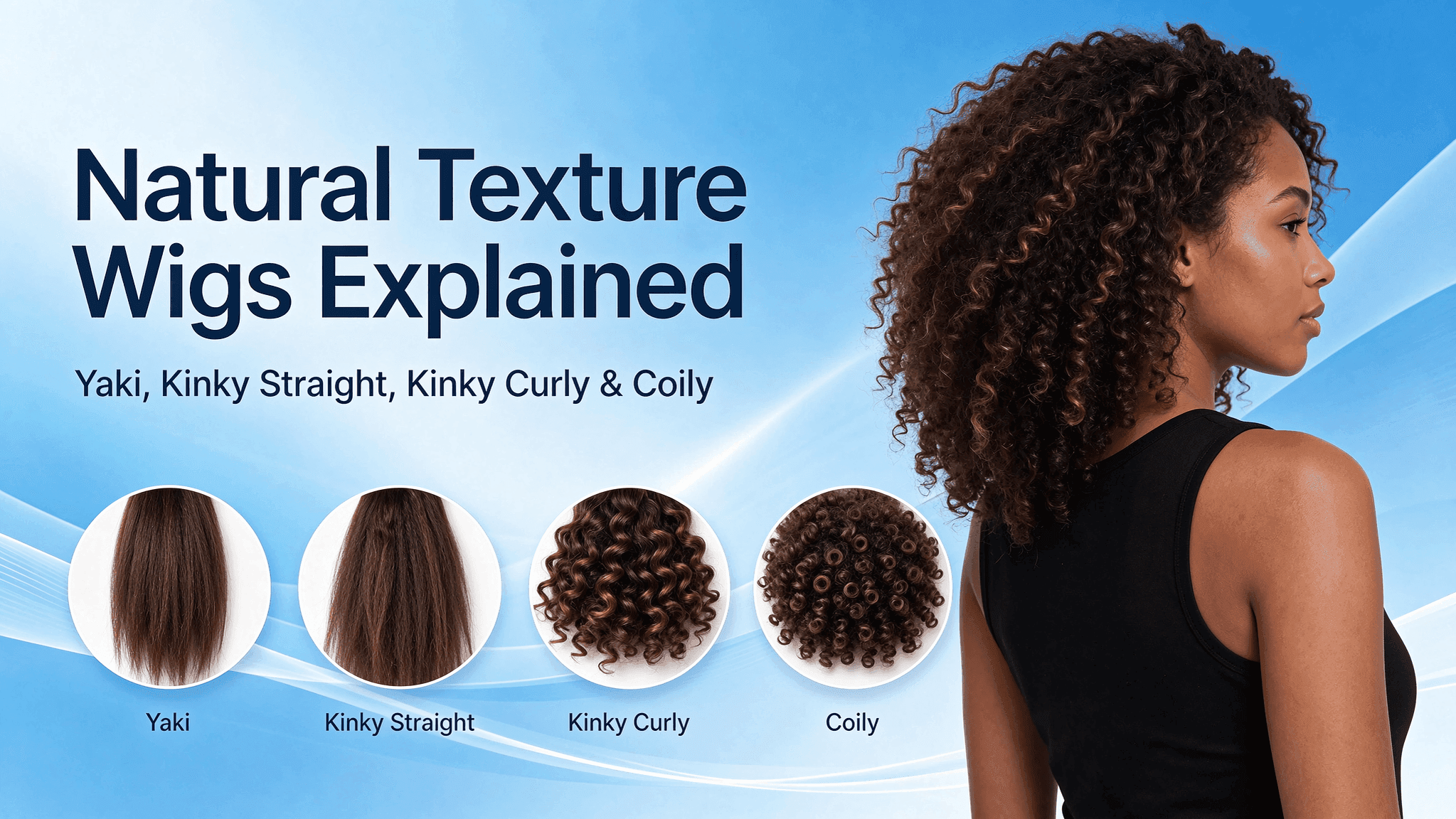
Natural Texture Wigs Explained: Yaki, Kinky Straight, Kinky Curly and Coily Textures

Natural Texture Wigs Explained: Yaki, Kinky Straight, Kinky Curly and Coily Textures

Natural texture wigs are gaining attention as more consumers look for hairstyles that resemble their natural hair patterns. From Yaki Straight and Kinky Straight to Kinky Curly and Coily textures, each category offers a different appearance, volume and styling experience. This guide explains the characteristics of common natural texture wig types, the factors that influence their appearance, and the key quality considerations wholesale buyers should understand when sourcing textured wigs.

Glueless Wigs Explained: Construction, Features and a Wholesale Buyer's Guide

Glueless Wigs Explained: Construction, Features and a Wholesale Buyer's Guide

Glueless wigs have become an increasingly popular product category as consumers look for convenient alternatives to traditional adhesive-based wig installation. Designed with features such as adjustable straps, elastic bands, combs and specialized cap constructions, these wigs can offer a more straightforward wearing experience without requiring wig glue for everyday use. This guide explains how glueless wigs are constructed, what features distinguish them from traditional lace wigs, and what wholesale buyers should evaluate before placing bulk orders.

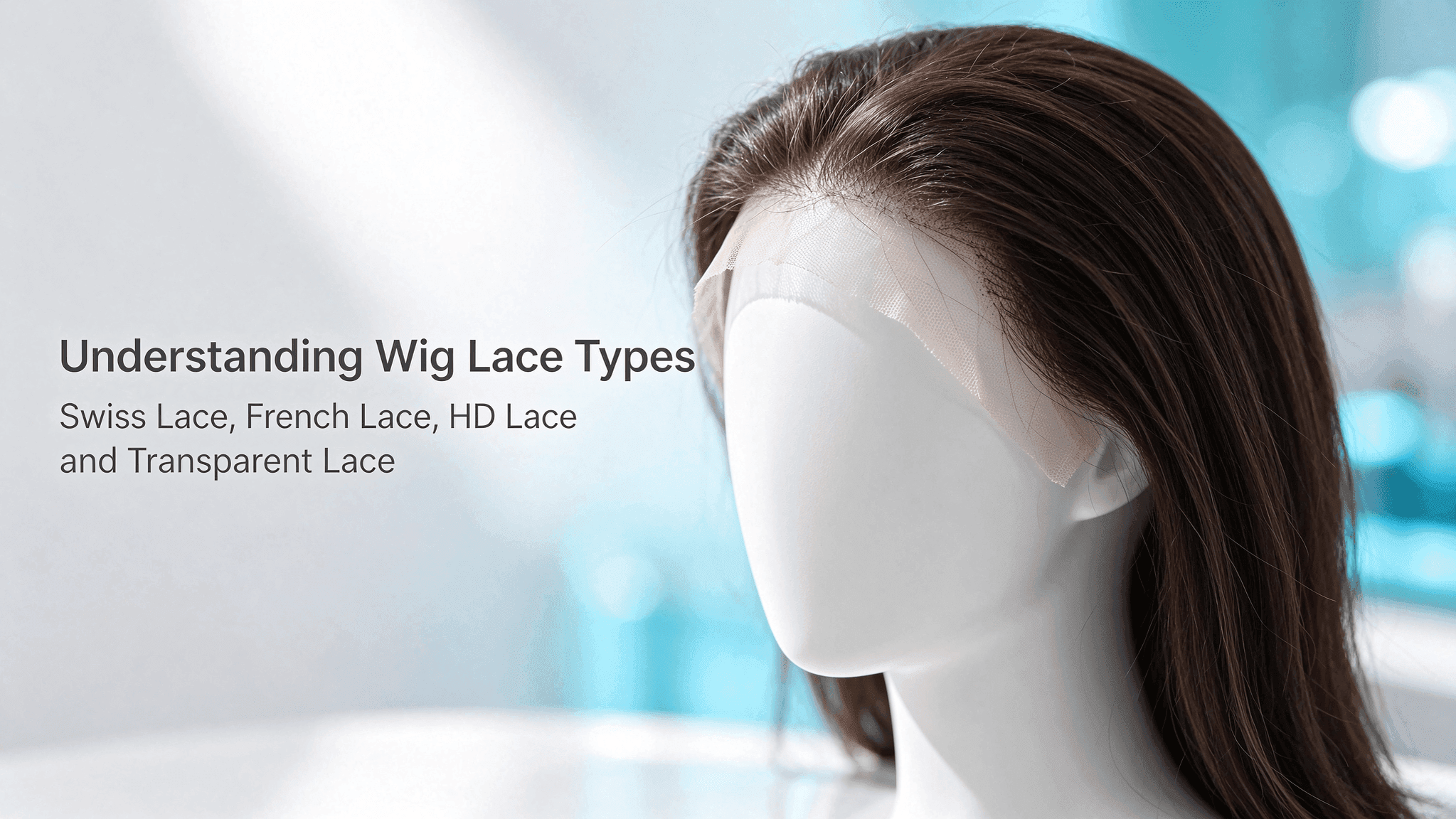
Understanding Wig Lace Types: Swiss Lace, French Lace, HD Lace and Transparent Lace

Understanding Wig Lace Types: Swiss Lace, French Lace, HD Lace and Transparent Lace

Lace is an important component of many wigs and hairpieces, influencing their appearance, hairline design, comfort and durability. However, terms such as Swiss lace, French lace, HD lace and transparent lace are not always used consistently across manufacturers. This guide explains their common characteristics, clarifies the differences between material descriptions and marketing terms, and outlines key points B2B buyers should evaluate when sourcing lace wigs and hairpieces.

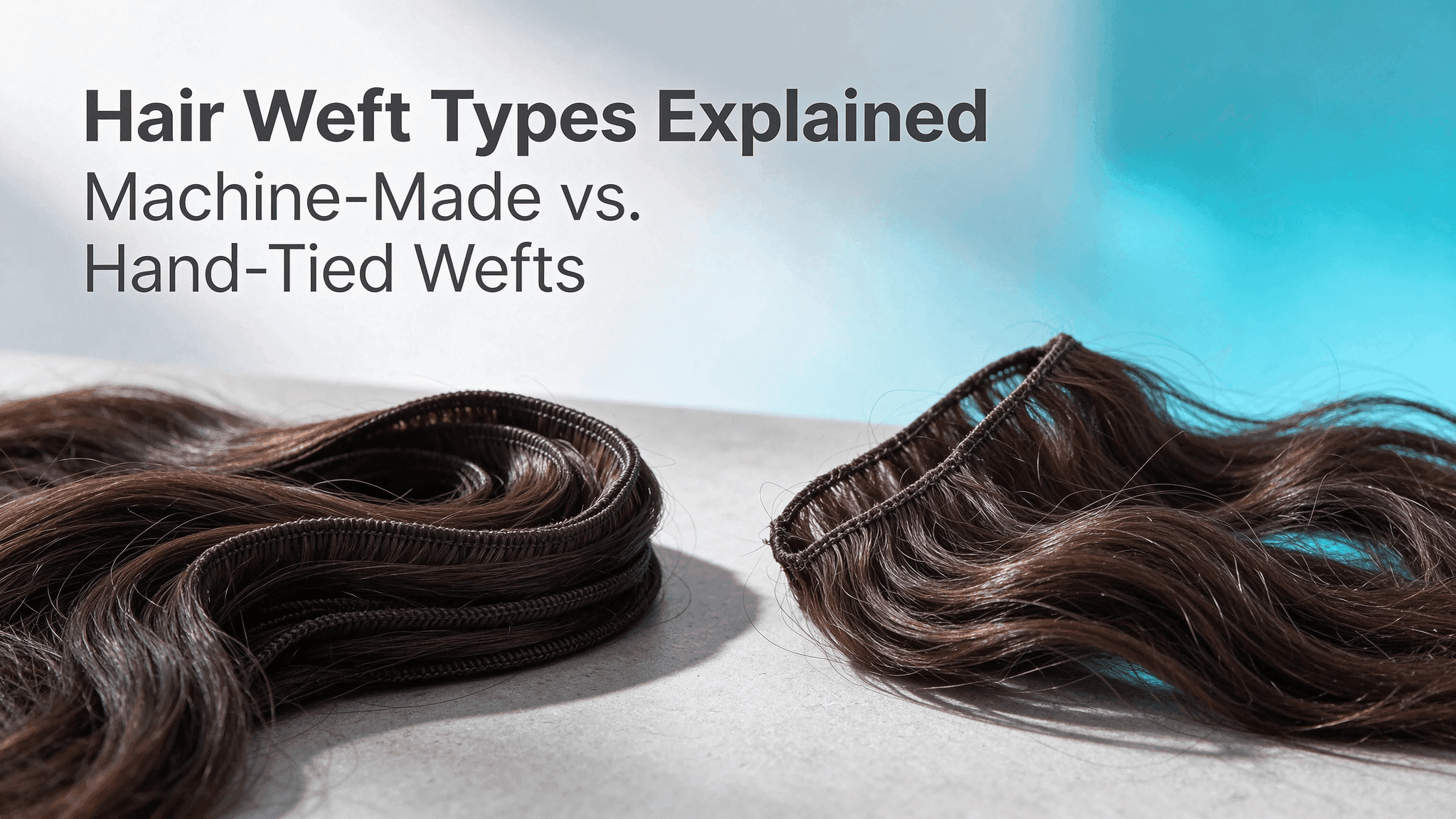
Hair Weft Types Explained: Machine-Made vs. Hand-Tied Wefts

Hair Weft Types Explained: Machine-Made vs. Hand-Tied Wefts

Hair wefts are widely used in hair extensions and wig manufacturing. However, different weft construction methods can affect thickness, flexibility, durability, and application. This guide explains the differences between machine-made and hand-tied hair wefts, their key characteristics, and what wholesale buyers should consider when sourcing weft products.

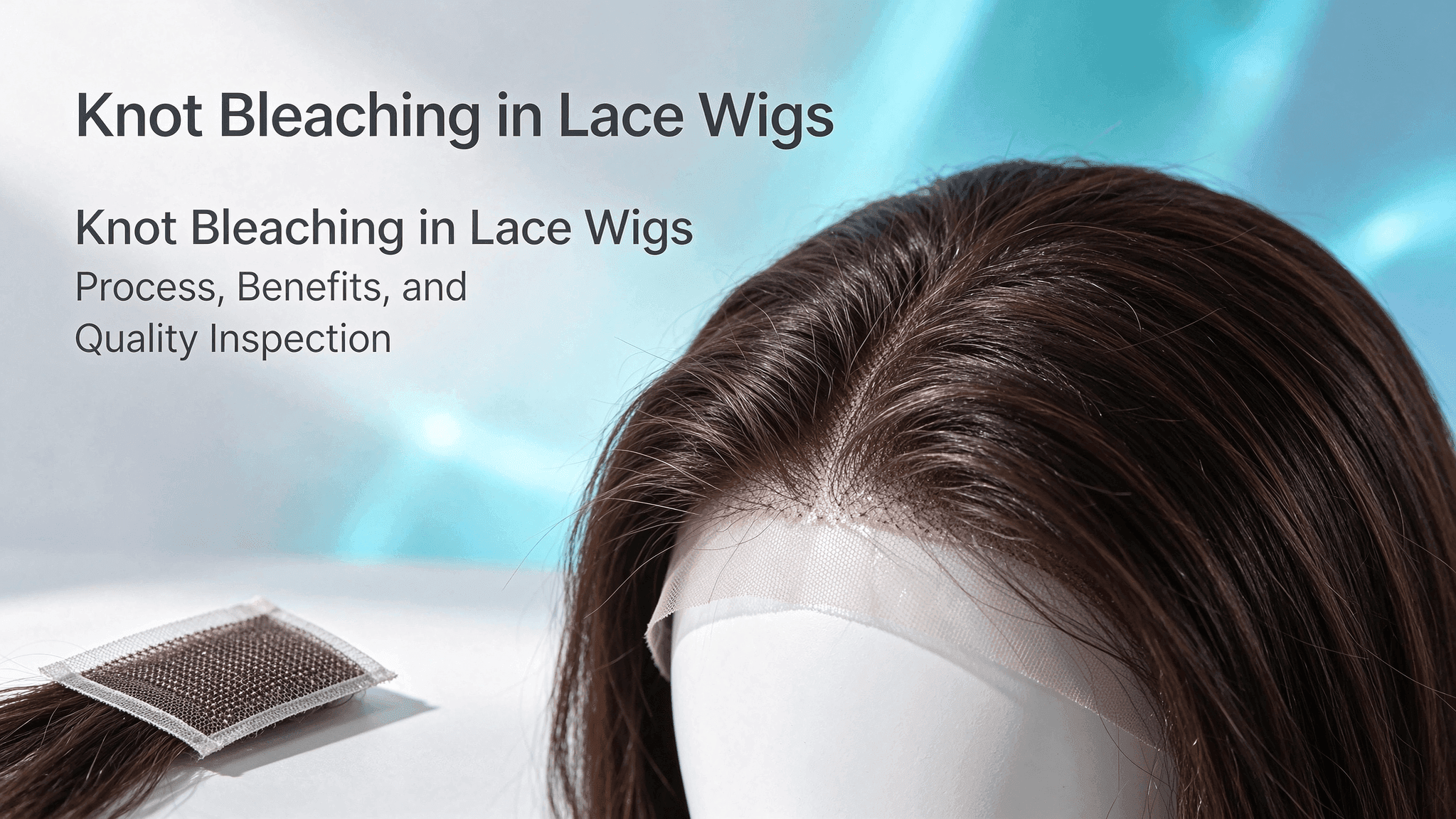
Knot Bleaching in Lace Wigs: Process, Benefits, and Quality Inspection

Knot Bleaching in Lace Wigs: Process, Benefits, and Quality Inspection

Knot bleaching is a finishing technique used in some lace wigs to reduce the visibility of the knots where individual hairs are attached to the lace. When performed properly, it can create a more natural-looking scalp effect, particularly around the hairline and parting areas. However, the process must be carefully controlled because excessive chemical treatment may affect hair strength and product durability. This guide explains how knot bleaching works, its benefits and limitations, and what wholesale buyers should check when evaluating lace wig samples.